History of Emojis
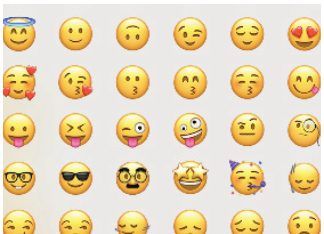
Photo:
😊, 🩰, 🎳, 🫛, 🏔, 🕶, all of these are emojis. You probably have used an emoji before, well… unless you live in a hole. Those cute pictures that are used to describe things in your texts have more of a history than you might think.
Emoji first appeared on mobile phones in Japan, in 1999. The original creator, Shigetaka Kurita, wanted to create an “ease of communication”. Shigetaka Kurita worked on the development team for “i-mode,” an early mobile internet platform. The first emojis were pixels on a 12 by 12 grid. Emojis started a new way of communicating. For example, instead of texting, “LOL” you could text, “🤣”.
In 2007, Apple took charge of getting the Unicode Consortium to recognize the emoji. The Unicode Consortium is an organization that maintains text standards. In 2010 Unicode recognized the emoji and started improving them quickly.
Emojis have been famously non-diverse, the first set of emojis had a very limited set of skin tones, flags, and families. Due to protests and complaints, emojis have gotten more and more diverse, in 2015, the first same-sex couple was added, along with five more skin tones. In 2017, single dad, pride flag, and weightlifting woman emojis were added. Looking back at this it would be hard to imagine not having these recently added emojis.
In conclusion, emojis have changed immensely over the years, from 12 by 12 pixels to the 3790 emojis we know today.